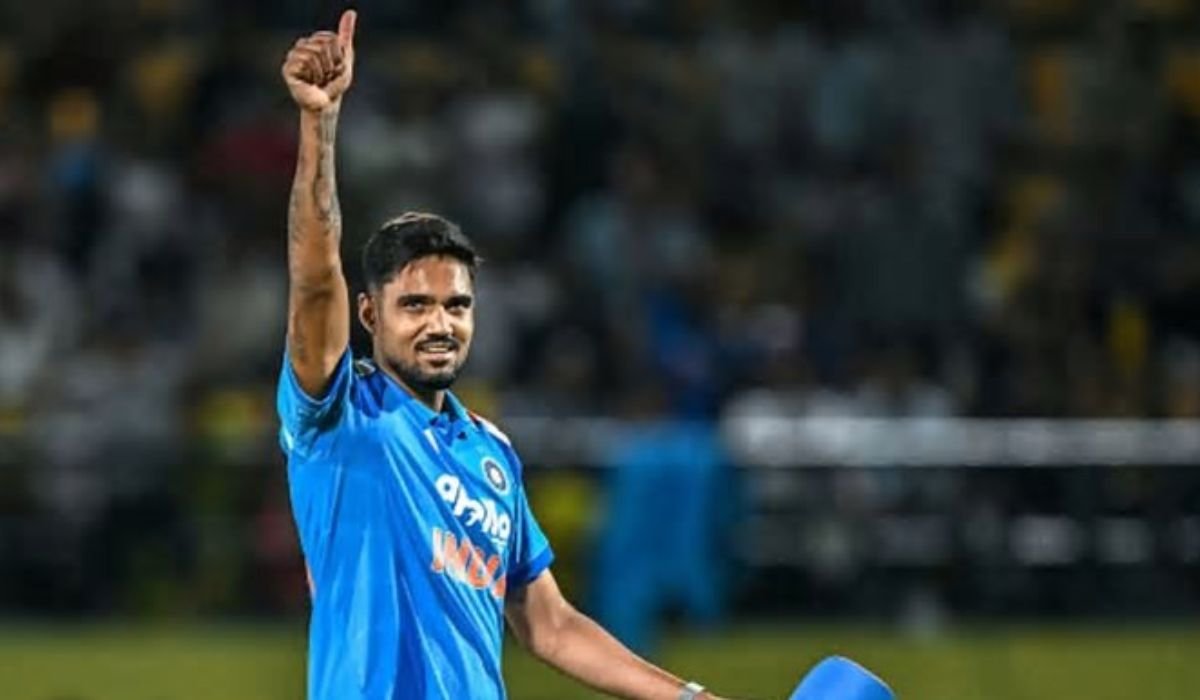
India A have made an enforced change to their squad for the ongoing tri-series in Sri Lanka with promising fast bowler Ashok Sharma coming in as a replacement for injured paceman Yudhvir Singh.
Yudhvir was pulled out after complaining persistent pain in his right shoulder during training and match activities over the past week. Concerns regarding his rotator cuff led to medical assessments later leading to the BCCI medical staff suggesting a well thought-out rehabilitation programme. The pacer will now continue his recovery at the BCCI Centre of Excellenceand is expected to undergo bowling assessment and fitness before returning to competitive cricket.
Another great highlight in the breakthrough season for the young speedster is Ashok Sharma. He has quickly become one of India’s most exciting pace prospects in the past few months. In Syed Mushtaq Ali trophy he was among the top wicket takers and attracted a lot of attention for his performances in domestic cricket.
His performance in domestic tournaments helped him secure the contract to play for Gujarat Titans in Indian Premier League. Ashok generated some serious pace during the tournament with a ball clocked at over 154 kmph attracting headlines. He has shown both, speed and aggression whenever he played and these qualities have now taken him into the India A setup.
Ashokk call-up serves as an important opportunity to further cement his credentials at the next level. The India A tri-series campaign has thrown up some thrilling encounters, giving promising talent much-needed exposure.
The side started the tournament with a win against Sri Lanka A, as well as two close losses to Afghanistan A and Sri Lanka A (with the latter loss ending in Super Over).The side is led by Tilak Varma.
Ashok brings some much-needed vibrancy to the bowling selection with the competition currently on a high. With Yudhvir out injured, the management will be hoping that the young fast bowler can come good right away as India A look to return to winning ways and end the tournament on a high.
Read More: Ashok Sharma